
CAL DOJ FIREARM SAFETY CERTIFICATE INSTRUCTOR TRAINING – Cost $180.00
California Department of Justice, Firearm Safety Certificate Instructor Training. “FSC Instructor Training” is for experienced shooters and other people within the Firearm Industry, such as Gun Shops, Shooting Ranges or Clubs, and those individuals seeking Certification as Certified Firearms Instructors. All experienced hunters, shooters, mentors, coaches, and qualified individuals interested in offering Safety Training and FSC Cards (Firearm Safety Certificate Cards) through the California Department of Justice, Firearm Safety Certificate Program.
This class is designed for Gun Store Owners & employees, Shooting Ranges & employees, Military Personnel with Instructor Experience, Prospective Firearms Instructors, and FFL Licensees that will be releasing firearms that have been purchased by your customers. Anyone who can lawfully own a firearm pursuant to State and Federal Law can also become a CALIFORNIA DOJ State Certified FSC Instructor. You will need to obtain a COE (Certificate of Eligibility) and then submit your application for approval by the DOJ. You will then be able to offer Safety Training, Administer the FSC Written Test, and issue FSC cards to individuals interested in learning Basic Gun Safety prior to purchasing firearms in the State of California.
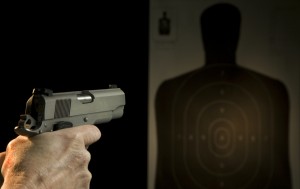
| PISTOL RED DOT TRAINING Shooting a handgun accurately at long distance is one of the most rewarding—and humbling—skills a shooter can pursue. It exposes every weakness in your fundamentals while amplifying every strength. Whether you’re training for competition, duty use, or personal mastery, long-range pistol work forces discipline and precision. Success doesn’t come from luck or speed; it comes from doing the basics exceptionally well, every single time. Below are three critical areas that will make or break your long-distance handgun performance. Confirm a True Zero Before chasing technique, you must have absolute confidence in your zero. A handgun with a red dot sight that isn’t properly zeroed turns every shot into a guessing game. Confirm your zero from a stable position at a known distance, using the ammunition you actually shoot. Don’t rely on assumptions or past adjustments; verify them. At longer distances, even minor deviations in point of aim versus point of impact are magnified. A confirmed zero allows you to focus on execution instead of compensation, and it builds trust between you and your red dot. Maintain Consistent Mechanics Long-distance pistol shooting punishes inconsistency. Grip pressure, trigger press, sight alignment, and follow-through must remain identical from shot to shot. Grip the pistol firmly but without tension that disrupts the sights. Press the trigger straight to the rear without urgency, allowing the shot to break naturally. Your sights should lift and return predictably after each shot. If something feels different; even slightly; it usually is. At distance, consistency isn’t a preference; it’s a requirement. Accept What the Sights Tell You At longer ranges, the sights don’t lie, but shooters often do—to themselves. Learn to accept sight wobble instead of fighting it. Perfection is unrealistic; control is achievable. As long as the sights are aligned and moving within an acceptable zone, press the trigger smoothly and let the shot happen. Trying to “time” the shot almost always results in anticipation and misses. Trust the process, not the moment. Recommendation for Improvement Dedicate part of your practice session at least once a quarter to shooting beyond your comfort distance or beyond the 25-yard line. Slow down. Track your hits, note your misses, and diagnose patterns instead of reacting emotionally. Start from the holster, draw and fire 9 rounds, then reload and fire 1 round to complete the drill. The distance and time constraint force accountability in your zero, patience in your trigger press, and absolute concentration for that last shot after the reload. Dry fire at reduced-size targets and live fire at extended ranges reinforce discipline and focus. Progress comes from intentional practice, not round count.Long-distance handgun shooting sharpens fundamentals like nothing else. Confirm your zero, stay mechanically consistent, and trust what your sights are showing you. Master these, and every other aspect of your shooting will improve as a result. |
- HOW TO AND WHAT DISTANCE TO SIGHT IN YOUR PISTOL RED DOT SIGHT
- FIND YOUR DOT SOONER AND MORE CONSISTENTLY
- IDENTIFY THE BENEFITS OF A PROPERLY MOUNTED DOT ON YOUR PISTOL
- RUN STANDARDS AND ELEVATED STANDARDS DRILLS AT SPEED
- TEST OUT YOUR SHOOTING FUNDAMENTALS AND EQUIPMENT
GEAR: You must have a suitable kydex or similar inside or outside the waistband holster. Strong-side hip or Appendix Position that fits your gun. At least three (3) Magazines, 200+ of suitable training ammunition, ear protection, eye protection, hat or cap, water and snacks, adjustment tools and extra batteries for your optic. Students must have a basic understanding of handgun manipulation. Designed for new and experienced Shooters. The class will also have extensive live fire time on the range where you will learn drills and different methods to hone your marksmanship and ability to self-diagnose their shooting. Students will be required to bring their own handgun with a red dot mounted and 200+ rounds of ammunition.